 by Rajesh Mourya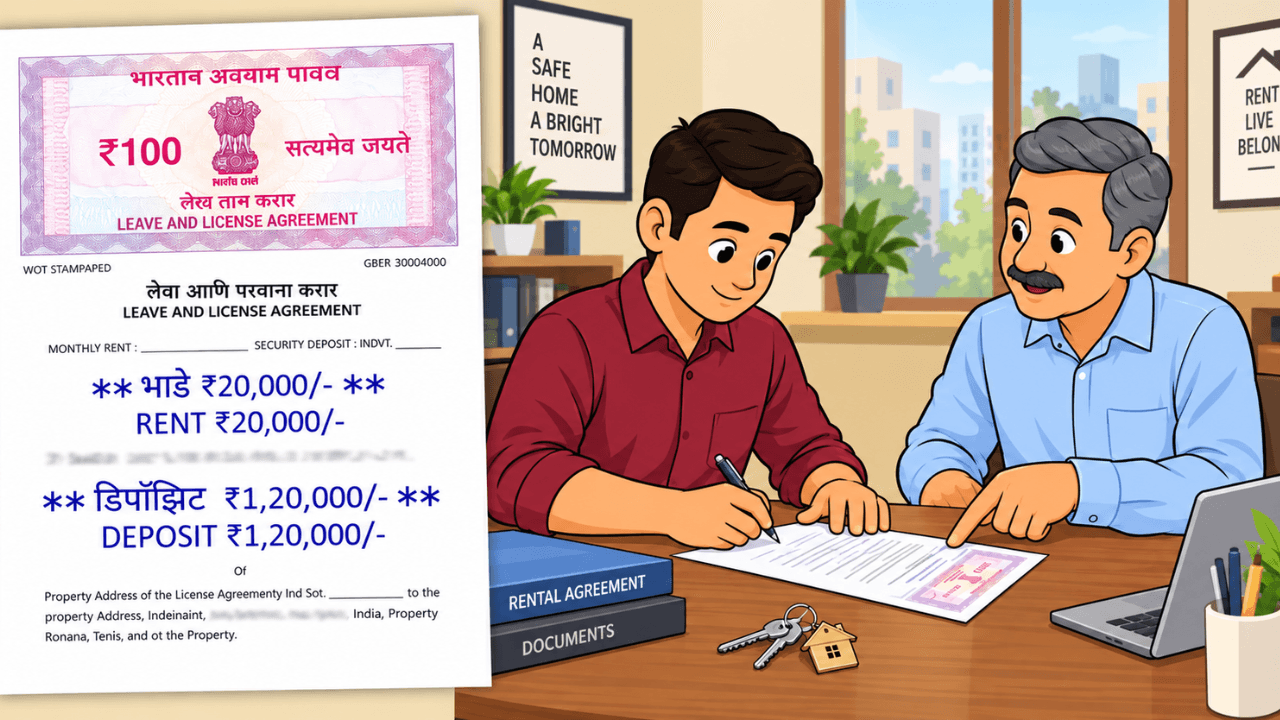
Tenant Rights for Rental Flats help renters understand their responsibilities, financial commitments, and protections before they move into a new home. For example, imagine that your monthly rent is ₹20,000, but the landlord asks you to pay ₹1,50,000 as a security deposit. Should you accept the amount immediately? What refund conditions should you check?
Thank you for reading this post, don't forget to subscribe!Many tenants focus on the flat’s location, amenities, and monthly rent. However, they sometimes overlook the security deposit, notice period, maintenance charges, and rental agreement conditions.
This guide explains important rental precautions in simple English so tenants can make informed decisions before paying money or signing an agreement.
What Are Tenant Rights for Rental Flats?
Tenants should understand the terms of their rental agreement before occupying a property. A clear agreement helps both the tenant and landlord understand their financial and practical responsibilities.
Before moving into a rental flat, clarify:
- Monthly rent
- Security deposit
- Agreement duration
- Notice period
- Maintenance charges
- Utility payments
- Repair responsibilities
- Deposit refund conditions
- Permitted deductions
Always ask the landlord to explain unclear conditions before you make a payment.
₹20,000 Rent Example: Understanding Security Deposits
Let us assume that your monthly rent is ₹20,000.
| Deposit Equivalent | Amount |
|---|---|
| 1 month | ₹20,000 |
| 2 months | ₹40,000 |
| 3 months | ₹60,000 |
| 6 months | ₹1,20,000 |
| 10 months | ₹2,00,000 |
| 12 months | ₹2,40,000 |
These amounts show different mathematical examples. They do not represent a universal legal limit for every rental property.
The applicable rules may depend on the property, agreement, location, and specific circumstances. Therefore, review the relevant requirements before accepting the deposit amount.
Can a Landlord Ask for ₹1,50,000 on ₹20,000 Rent?
Suppose you find a rental flat with the following terms:
- Monthly rent: ₹20,000
- Security deposit: ₹1,50,000
- Agreement period: 11 months
Before paying the deposit, ask the landlord several important questions:
- Why does the landlord require this deposit amount?
- Will the landlord return the deposit after you vacate?
- Which conditions allow deductions?
- When will the landlord return the money?
- Does the agreement mention the complete deposit?
- Will the landlord provide a payment receipt?
- Who will pay maintenance and repair expenses?
If the landlord does not provide clear answers, review the agreement carefully and consider consulting a legal professional.
Rental Agreement Terms Every Tenant Should Check
A rental agreement should explain the main responsibilities of both parties. Read the complete agreement before signing it.
Monthly Rent
The agreement should clearly mention the monthly rent.
Example: ₹20,000 per month.
Security Deposit
Write the total deposit amount and payment details in the agreement.
Example: ₹1,00,000 or ₹1,50,000, depending on the agreed terms.
Agreement Duration
Check the start date and end date of the rental arrangement.
Notice Period
Confirm how much advance notice you must provide before leaving the flat.
Deposit Refund
Ask the landlord to explain when and how they will return your security deposit.
Maintenance and Utility Charges
Clarify who will pay for:
- Society maintenance
- Electricity
- Water
- Gas
- Repairs
- Other agreed charges
What Can the Landlord Deduct From Your Deposit?
The landlord should explain the reason for any proposed deduction. The agreement and applicable legal rules will determine whether the deduction is valid.
Possible deductions may include:
- Unpaid rent
- Outstanding utility bills
- Agreed contractual charges
- Documented damage caused by the tenant
- Other valid outstanding amounts
However, ordinary wear and tear differs from damage caused by negligence or misuse.
For example, minor marks from normal use may differ from a broken door, damaged electrical fitting, or serious property damage.
If the landlord proposes a deduction, ask for:
- A written explanation
- The exact amount
- Relevant bills or estimates
- A final settlement statement
How Tenants Can Protect Their Security Deposit
Tenants can reduce future disagreements by maintaining proper records throughout the tenancy.
Before Moving Into the Flat
First, take clear photographs and videos of:
- Walls and ceilings
- Flooring
- Doors and windows
- Bathroom fittings
- Kitchen fixtures
- Electrical equipment
- Furniture
- Existing damage
Next, send the landlord a written record of any existing damage.
During the Tenancy
Keep records of:
- Rent payments
- Maintenance payments
- Repair requests
- Utility bills
- Messages with the landlord
- Changes made to the property
Before Vacating
Follow these steps:
- Send the required notice in writing.
- Clear agreed outstanding payments.
- Photograph the flat’s final condition.
- Record electricity and water meter readings.
- Return the keys and retain proof.
- Request a written settlement statement.
- Confirm the expected refund date.
These steps can help both parties avoid unnecessary confusion.
₹20,000 Rent and ₹1,20,000 Deposit: Practical Example
Consider this rental arrangement:
| Particular | Details |
|---|---|
| Monthly rent | ₹20,000 |
| Security deposit | ₹1,20,000 |
| Agreement period | 11 months |
| Outstanding rent | None |
| Property condition | As agreed in the contract |
When the tenant vacates the flat, both parties should follow the agreement’s refund and settlement conditions.
Suppose the landlord wants to deduct ₹25,000 from the deposit. The tenant should request a written explanation and supporting documents.
The validity of the deduction will depend on the agreement, property condition, applicable rules, and actual circumstances.
What If the Landlord Does Not Return Your Deposit?
If the landlord delays the refund, begin with a polite written request.
Step 1: Send a Written Reminder
Include:
- Date of vacating
- Total deposit amount
- Key handover date
- Pending bills, if any
- Expected refund date
Step 2: Request Deduction Details
Ask the landlord to explain each deduction and provide supporting documents.
Step 3: Preserve Your Documents
Keep copies of:
- Rental agreement
- Payment receipts
- Bank transaction records
- Messages and emails
- Property photographs
- Repair records
- Key handover confirmation
Step 4: Seek Legal Guidance
If the dispute continues, consult a qualified legal professional. The appropriate legal option will depend on the agreement and the facts of your case.
Common Mistakes Tenants Should Avoid
Paying Without a Receipt
Always keep a payment receipt or reliable transaction record. This evidence can help establish how much you paid.
Accepting Verbal Promises
Ask the landlord to include important promises in the written agreement.
Ignoring Existing Damage
Take photographs before moving in. Otherwise, you may face difficulty when you challenge a damage-related deduction.
Signing Without Reading
Read every clause, including rent increases, notice periods, maintenance charges, and deposit refund conditions.
Paying Under Pressure
Take enough time to review the agreement. Do not let urgency prevent you from checking important financial details.
Frequently Asked Questions
1. What should tenants know before renting a flat for ₹20,000 per month?
Tenants should review the rent, security deposit, notice period, maintenance charges, refund conditions, and agreement duration before paying.
2. Can a landlord ask for ₹1,50,000 as a security deposit?
The tenant should assess the request according to the applicable rules and agreement terms. Ask for clear written conditions before making payment.
3. Is the security deposit refundable?
The agreement should explain the refund process. The landlord may account for valid outstanding payments or permitted deductions before returning the balance.
4. Can a landlord deduct painting charges?
The answer depends on the agreement, the property’s condition, and whether the expense relates to normal wear and tear or actual damage.
5. Should I pay my rental deposit in cash?
Whenever possible, use a payment method that provides a reliable record. Also, request a receipt or written acknowledgement.
6. What details should a rental agreement include?
The agreement should cover rent, deposit, duration, notice period, maintenance, utilities, deductions, refund conditions, and both parties’ responsibilities.
7. What if the landlord refuses to provide a written agreement?
Do not make a substantial payment without understanding the contractual and legal position. Consider obtaining professional advice before proceeding.
8. Which documents can help during a deposit dispute?
The rental agreement, payment records, photographs, videos, messages, bills, and key handover proof may help establish the facts.
9. Can a landlord keep the entire security deposit?
The answer depends on the agreement, applicable rules, outstanding liabilities, and the specific circumstances. Request a written explanation for any deduction.
10. What should tenants do before leaving a rental flat?
Give the required notice, clear agreed dues, record the property’s condition, return the keys with proof, and request a written settlement.
Rental Flat Tenant Checklist
- Confirm the monthly rent.
- Record the complete security deposit.
- Read the refund conditions.
- Check the notice period.
- Clarify maintenance responsibilities.
- Confirm utility payment responsibilities.
- Review the rental agreement.
- Keep payment receipts.
- Take property photographs.
- Understand deduction conditions.
- Document key handover.
Conclusion
Understanding Tenant Rights for Rental Flats can help renters manage their expenses and avoid common rental disputes. If your monthly rent is ₹20,000, review the complete financial arrangement instead of focusing only on the rent.
Before paying, check the security deposit, written agreement, notice period, maintenance charges, and refund conditions.
A clear agreement and proper documentation can create a more transparent rental experience for both tenants and landlords.
Presented By
Rajesh Mourya Real Estate Consultant
Looking for residential or commercial properties in Dombivli, Kalyan, Thane, Mumbai, Navi Mumbai, or Pune?
Connect with Rajesh Mourya Real Estate Consultant for property-related guidance and assistance.
- Website: https://rajeshmourya.com
- YouTube Channel: https://www.youtube.com/@therajeshmourya
Rajesh Mourya – Your Trusted Real Estate Partner
Disclaimer: This article provides general educational information. It does not replace personalised legal advice. Consult a qualified legal professional for guidance regarding your specific rental agreement or dispute.